
History of Reiki
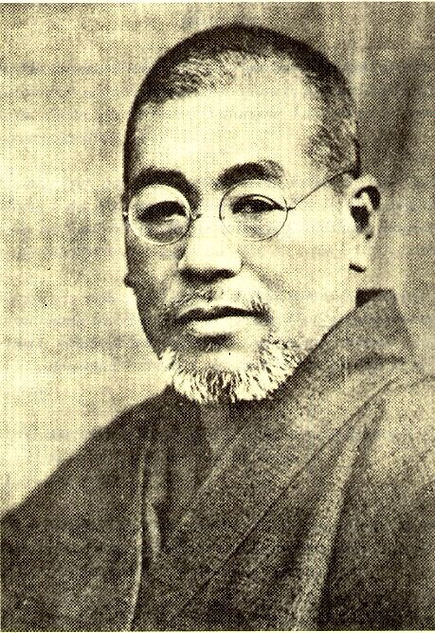
Reiki, specifically Usui Reiki, was developed by Mikao Usui in Japan in the early 1900s. He opened his Tokyo school in 1922 and trained 1000s of students to Reiki and around 20 teachers.
The modern history of Reiki is surprisingly full of drama and intrigue, and can be quite confusing to those new to Reiki. What is "Western Reiki" versus "Japanese Reiki"? What is hands on healing versus meditation and breath techniques?
Despite the confusion, part of the success of Reiki has been its ever evolving teaching style and the freedom of independent Reiki Masters to adapt. In recent years the online availability has further accelerated Reiki's growth.
Usui Reiki Western and Eastern Branches
Western Lineage
Usui trained Chujiro Hayashi in 1925. Hayashi is best known for developing a more clinical approach to Reiki, running a successful clinic in Tokyo. In 1938 Hawayo Takata, an American Japanese trained with Hayashi. Together they developed Reiki through America. When Takata died in 1980, her 22 Reiki Masters quickly spread Reiki globally, but not without conflict.
Eastern Lineage
Jikiden Reiki is also from Chujiro Hayashi, passed down through Chiyoko Yamaguchi and her son, available outside Japan since early 2000s.
Gendai Reiki comes via the Usui Reiki Ryoho Gakkai, the society established by Usui.
Eastern lineages tend to emphasise meditation rituals, purification techniques over hands on healing.

Why is Reiki Lineage Important?
Tracing your lineage is seen as important because of the attunement process. The Attunement is the activation of Reiki in your hands and is thought to require a trained Reiki Master to do it. We say "thought to require" because Reiki is becoming more and more available and easy to activate yourself, without a guide. However, as of now, the lineage is still seen as a gold standard in tracing your pedigree. Something that may become obelete as Reiki continues to evolve into the 21st century
The Reiki Centre Lineage
Our lineage comes from the Western tradition of Hawayo Takata. In 1992, when Elaine trained, there was no Eastern/Japanese alternative. Her Reiki teacher, John Veltheim, had trained with several different Takata-trained Reiki masters.
Interestingly, the way John taught was already a very stripped down and simple form of Reiki. He had a passion for personal growth and self-help and so our philosophy has always focused on self-healing first, healing others second.
The history of Reiki can often cloud or distract from the pure essence of Reiki. Different schools of "Western" Reiki were already at war before the "Eastern" lot jumped into the fray, as if we needed more drama!
However, the benefit of the Eastern Reiki schools coming into light was more as a challenge to the growing rigidity of how Reiki was developing in the West. This was well needed. The Eastern schools tend to place less emphasis on formal hand positions, and more emphasis on developing your own intuition. Eastern schools have their own rigidity, but the broadening of opinions and differing lineage development has helped Reiki expand, and prompted Reiki teachers to become more open-minded.
Benefits of The Western Lineage
1
Very Beginner Friendly
Our Reiki 1 is designed for complete beginners to energy work. We offer clear guidelines to ensure you get the most out of your practice. There is no need for intuition, special skills, or a background in healing. Just hands on your body and relax.
2
Free of Ritual
We teach without any formal cleansing, meditations or rituals. We encourage you to mix and match your own blend of whatever works for you. Many of our students happily combine Reiki with other modalities they hold close to their hearts.
3
Reiki Masters are Independent
All our Reiki Master teachers are free to follow their own unique calling, philosophy and heart-led expression. This allows for a huge breadth of teaching styles and inclusion and makes it easy to find the right teacher for you